Published March 21, 2025 · Updated September 19, 2025
The post-COVID Success of the Indian Premier League
TL;DR
Curious to know why the Indian Premier League has profited so much since COVID despite serious setbacks? Here, we discuss the paradox of the league coming ou...
Written and reviewed by SureBets Editorial Team, following our methodology.

On this page
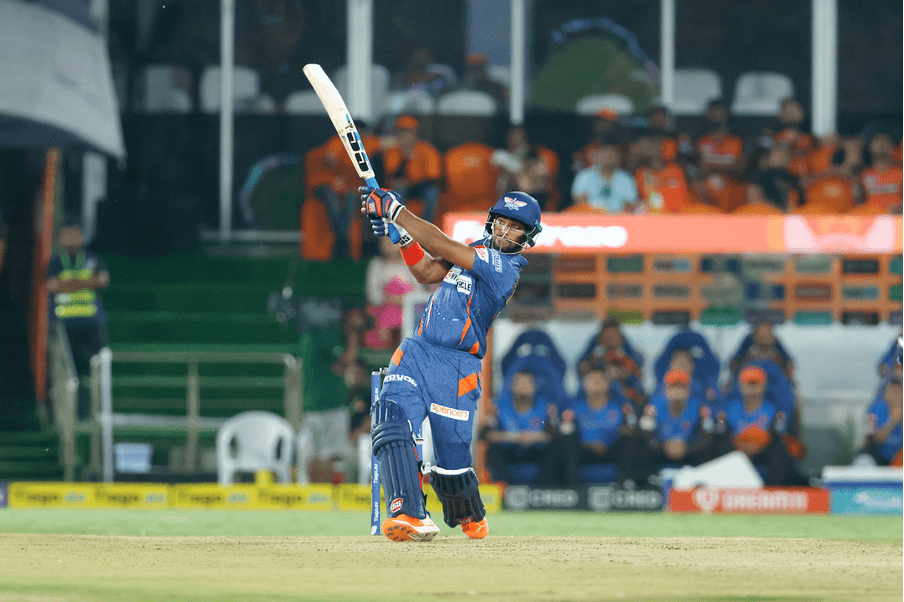 The IPL took off as an overnight phenomenon when it was founded in not-so-far-off 2008, and would go on to become one of the highest-revenue sports leagues in the world, as well as the top cricket league in terms of income. It benefitted from a centuries-long fixation with the sport in South Asia since the British introduced it. When the COVID-19 pandemic hit, so many live events went under. Indeed, the IPL had to deal with its own events being canceled. Paradoxically however, after its revenue plateaued for over ten years, it managed to come out of the pandemic with double that annual average. Today we’re going to analyze how this fascinating development came to be.
 Founding of the IPL
The IPL was the brainchild of Lalit Modi, a former VP of the BCCI, the board that controls and regulates cricket in India. The sport had been enjoying great popularity in its Twenty20 format , in which matches were quicker and more digestible. Unlike other versions of the game, which went on for days, Twenty20 was played in just one innings with a maximum of 120 legal balls and 20 overs per side. It also involved the creation of franchise-based teams representing different cities where each team would be owned by a corporation or celebrity figure. The league further ushered in:- Player auctions: In which players became commodities and viewers could watch as teams bid on them
- A round-robin format followed by playoffs and a final
- A total of eight initial teams
- High-profile sponsorship deals
- Media rights
- Betting platforms, such as Odds96
- Broadcasting contracts
COVID challenges
 The 2020 IPL season was abruptly suspended in March 2020 due to the pandemic breaking out at the time. As we know well, this was a major disruption for everyone. It was no different for IPL players, teams, sponsors, and fans. It ended up getting rescheduled and moved to the United Arab Emirates in September 2020, which was the first time the league’s matches were held outside of India. It was a tedious undertaking, as bio-secure bubbles had to be set up and there were extensive regulations to be observed. The bio-bubbles had to be used by players, support staff, and officials for two seasons in a row. Regular testing and quarantines were compulsory. The logistics of maintaining these bio-bubbles across multiple teams and locations put immense pressure on organizers as well. That’s not all. Other problems included:
 - Lack of revenue from ticket sales as large crowds couldn’t be hosted
- No electric atmosphere fueled from the stands to dazzle the players and home viewers
- Sponsorships died down as many of them relied on in-stadium visibility and they didn’t know what to expect in terms of match cancellations
Sources of revenue
At the time that it was founded, the IPL had immensely benefited from the mass liberalization of the Indian economy that the government enacted in the 1990s. That was perfect timing for the league to be founded, and it allowed for a lot of sponsorships and investments to flood in, from the likes of national and foreign corporations looking to reach broader audiences, such as Pepsi, Dream11, and Vivo. From about 2010 up to the time of the pandemic, the league averaged about 4 billion dollars in revenue. The primary revenue source for cricket leagues is broadcasting rights, the IPL being no exception. TV channels pay huge premiums to secure the exclusive right to air matches. Sponsorships had been the second-leading revenue source, accounting for about 17% of all of its revenue.The comeback
Despite all of the initial concerns regarding the loss of revenue sources, once the games went back on track, the profits from sponsorships, media rights, and ticket sales, actually exceeded the historical norms. All of this resulted in a leap to a whopping 11 billion dollars per year. Here are the biggest reasons why.Broadcasting revenue
Most important of all, with so many people sitting at home, the greatest traditional revenue source remained unharmed as long as the seasons did take place. With so many people sitting at home, there was a lot of TV being watched, which meant better ratings for the IPL. Even people who previously never attended cricket games before or watched them on TV had nothing else to do during quarantines and while they were afraid of catching the virus, so oftentimes these matches were the way they spent their time. Consequently, many of them became fans. The biggest catalyst of this was a deal resulting from the higher TV ratings with Disney Star and Viacom18, worth 5.6 billion USD. The IPL sold digital rights for record numbers as well.Sponsorships
The IPL attracted high-profile sponsors from all industries as usual. They increased their already existing investments in paying for endorsements from players online in addition to sponsoring teams. Advertising on digital platforms also expanded and grew more sophisticated. Players ran their own social media accounts and advertised their own products while the league profited from ads on replays and highlight videos.Merchandising
Ticket sales for memorabilia, jerseys, and hats went up. Some franchises developed their own offerings and collectibles.Social media
A lot more marketing was launched on these platforms to compensate for the lack of in-person viewers. The result was that many more young people were exposed to videos, groups, and photos on Instagram, Facebook, and TikTok who never followed the sport before. Ads were run on these websites like never before too. In 2021, Hotstar alone accounted for 450 million viewers, accounting for a 30% increase in digital viewership over the pre-pandemic seasons. In 2022, the IPL saw over 600 million viewers across all platforms.Tier 2 and 3 cities
Internet connectivity and speed grew substantially during the COVID years which meant that more people in underserved areas of India were able to watch cricket matches than before.International viewers
The IPL saw impressive growth particularly in the United States, United Kingdom, and the Middle East. Willow TV picked up broadcasting rights in U.S., where the sport saw a 40% surge in popularity.Impact on the Indian economy
The Indian Premier League has always been a major economic boon in India, but its post-COVID explosion has turbocharged its influence. It emerged as one of the few large-scale events that not only survived but thrived. Here’s how it affected the national economy.- Contributing to the GDP: More money is flowing into the government’s coffers that can be used for more public projects, education, and healthcare
- Creating new jobs: Now more people are needed to accommodate matches and other related projects the IPL engages in
- New teams will mean more stadiums will be built and that will mean more cities will enjoy tourists coming in, staying at hotels, visiting local restaurants, and investing in other areas
- Drawing more attention from global enterprises: More foreign interest is drummed up by their focusing more of their attention on Indian markets
- Ramping up tourism from other countries
Related reading

article · August 28, 2025
The Premier League Betting Markets to Explore this Season
The Premier League season has kicked off and the battle for supremacy is underway. England's top-flight has a potential audience of 4.7billion people around...
Read article
article · July 2, 2024
Premier League 2024/25 Season Preview: A New Chapter in European Football
As the summer sun begins to wane, the anticipation for the 2024/25 Premier League season reaches fever pitch. With the new campaign set to commence on Aug. 1...
Read article
article · April 11, 2024
The Impact of Foreign Players in Premier League Tactics and Playing Styles
The English Premier League has become a global phenomenon, attracting top talent from around the world. This influx of international stars has not only raise...
Read articleAffiliate disclosure: SureBets may earn a commission when readers use some links. Our editorial pages still show restrictions, key terms and safer gambling context.